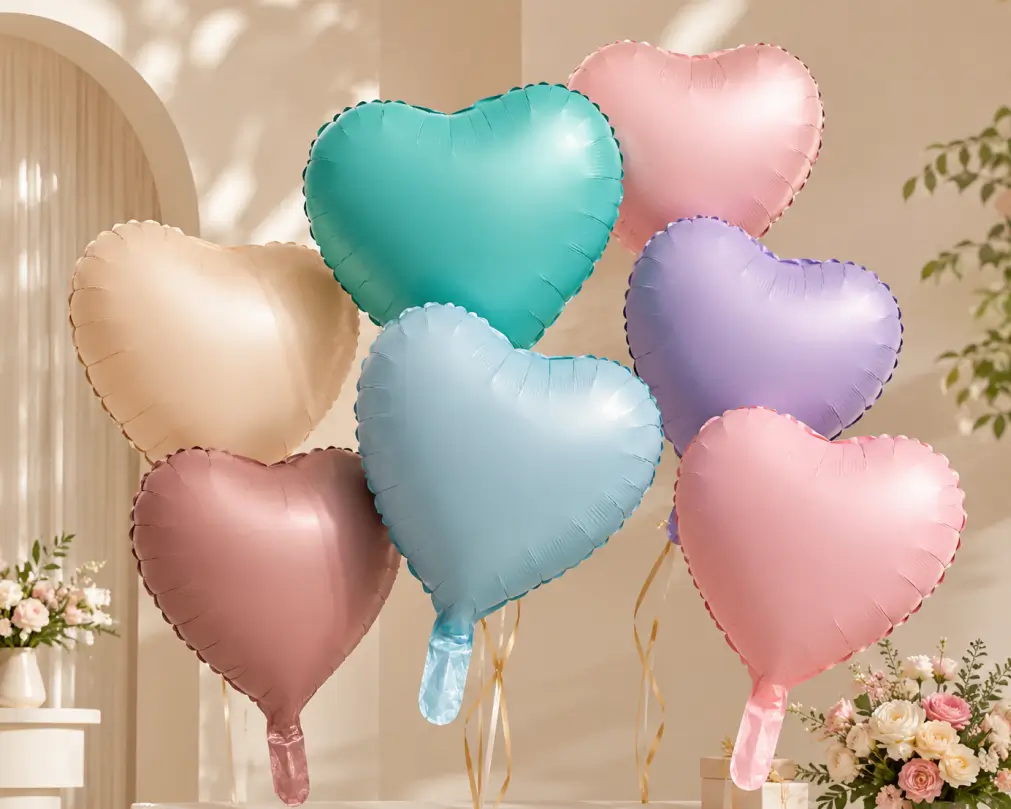
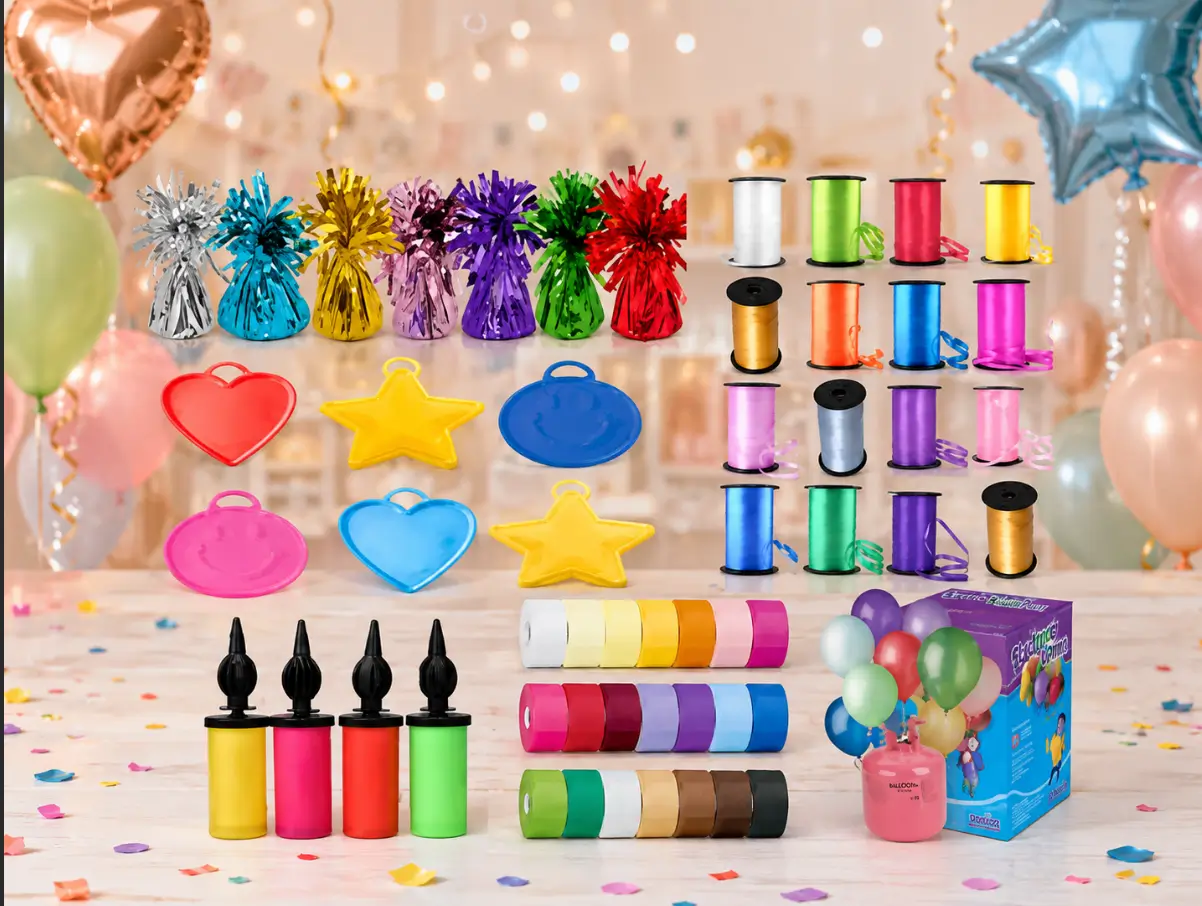
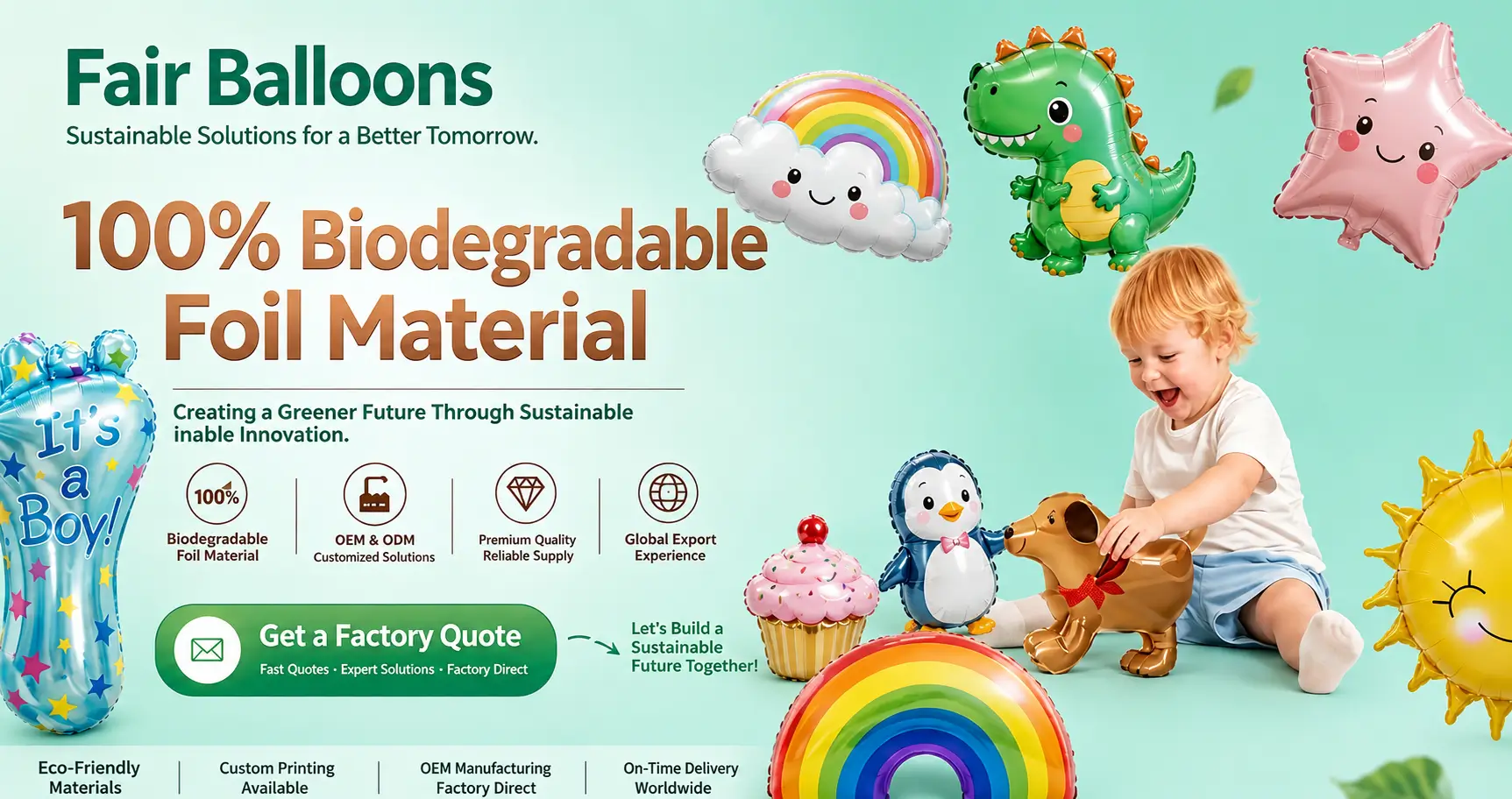
Certified biodegradable foil balloons factory header showcasing premium eco friendly mylar balloons material wholesale.
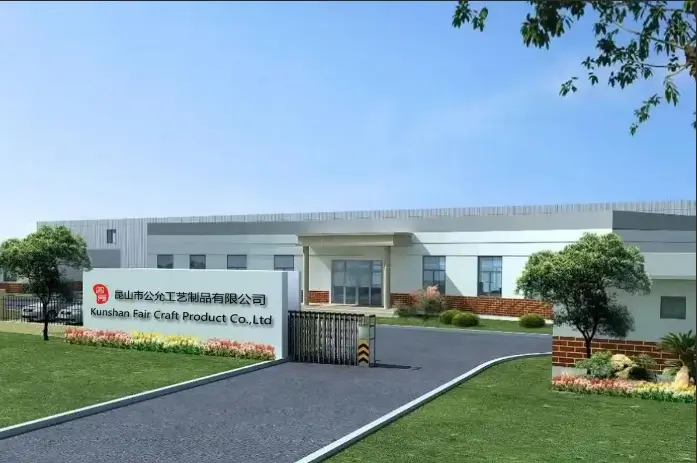
FAIR factory building and corporate campus of the foil balloons manufacturer.

Established in 2007 with 5 million RMB registered capital, FAIR (Kunshan Fair Craft Product Co., Ltd.) is an industry-leading source factory integrating design, wholesale, and mass scalable manufacturing of high-barrier Nylon (PA), Polyester (PET), and Laser Metallized foil balloons for global enterprise procurement.

Our ISO-certified facility delivers competitive factory-direct pricing across high-demand portfolios, specializing in high-gloss custom advertising balloons, patented smart automatic self-inflating novelties, shaped cartoon characters, compliant biodegradable foil balloons engineered with advanced PLA+PBAT eco-films, festive decorations, shiny Mylar alphabets/numbers templates, and leak-free commercial helium balloons wholesale pipelines.

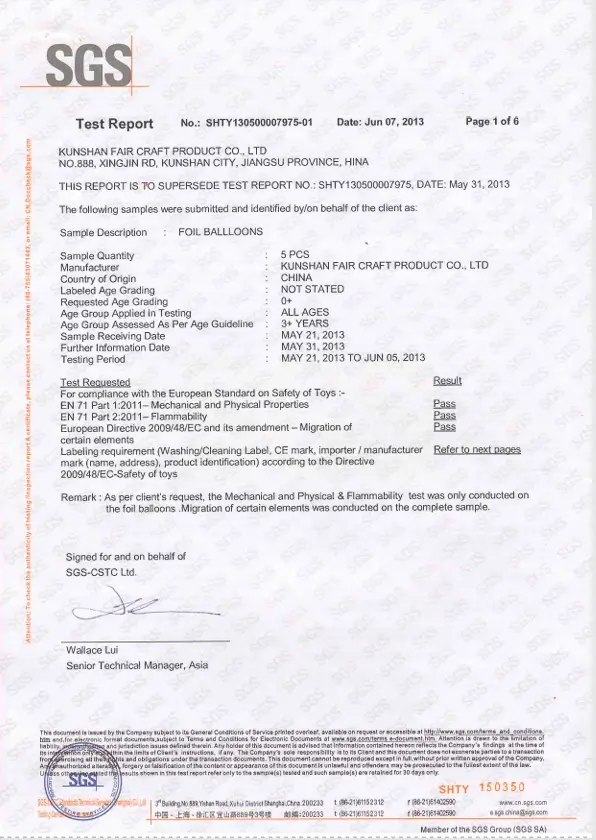
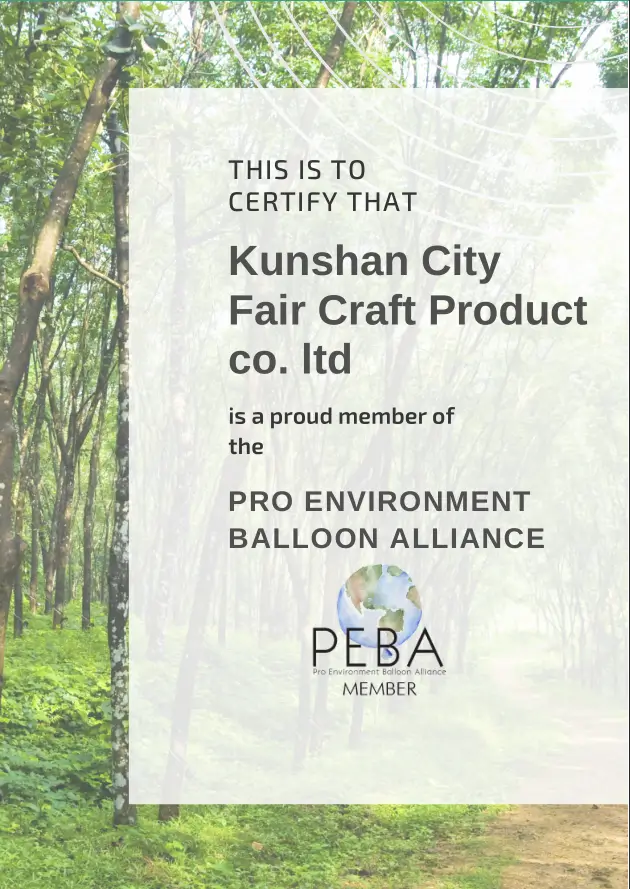
🌱 Powered by 100% automated 24H static leakage testing and verified CE, EN71, and RoHS compliance files, FAIR delivers an outstanding 5-7 days display float stability. As an active core supplier member of the PEBA (Pro-Environment Balloon Alliance), we smoothly export large-volume OEM/ODM contracts worldwide, eliminating global plastic-ban penalty risks.
Our Mission: Healing the Earth, One Celebration at a Time

At FAIR, biodegradability isn't a marketing label — it's the engineering challenge we've spent two decades solving. Conventional Mylar film simply doesn't break down; it persists in landfills and waterways for generations, harming marine life and triggering rising Extended Producer Responsibility (EPR) penalties across the EU and beyond. So instead of adding a "green" sticker to an old material, we rebuilt the film itself from the molecular level up.

🌱 The Eco Milestone: Certified Biodegradable Foil Balloons The result is our SGS-verified biodegradable balloons, built on a patented co-extruded PLA+PBAT compostable film system. In active use, they hold a full 5-7 days of stable helium float — matching conventional Mylar performance. Once discarded, microbial soil activity breaks the film down into water, CO2, and biomass, with zero microplastic residue left behind.

* Together as proud PEBA alliance members since 2019, we provide global retail chains with certified turnkey solutions to transform festive memories into a clean, carbon-neutral tomorrow.

news

Sourcing Intelligence & Product Knowledge Hub

Foil Balloons Frequently Asked Questions

Direct-factory guidance on helium flotation physics, inflation SOPs, thermal behavior, and product specifications from FAIR (Established in 2007).

1. What is a foil balloon?

A foil balloon (also widely known as a Mylar balloon) is an inflatable decorative balloon manufactured from thin, non-porous layers of metallized polymer films—typically high-barrier Nylon (PA) laminated with Polyethylene (LLDPE) and vacuum-coated with pure aluminum.

Unlike porous natural rubber latex balloons, which allow gas atoms to escape rapidly through microscopic pores, high-grade Mylar foil composite films provide an airtight hermetic barrier. This enables foil balloons to retain helium gas, hold custom 3D geometries, showcase high-definition rotogravure printing, and feature metallic mirror finishes without losing pressure.

🔗 Learn more: Explore our What is a Foil Balloon Made Of: Legacy Polymers vs Next-Gen Mylar and Foil Balloons & Mylar Balloons Knowledge Hub.

2. Do foil balloons need helium or air?

Foil balloons can be inflated with either high-purity helium gas or regular atmospheric air, depending on your visual decoration goals:

  • Helium Gas (For Floating): Required if you want the balloon to float in the air. Helium is lighter than air, generating upward lift. Recommended for standard 18-inch round balloons, jumbo number/letter balloons, and 3D spheres.
  • Regular Air (For Non-Floating): Air-filled foil balloons will not float, but because oxygen and nitrogen molecules are larger than helium atoms, air diffuses extremely slowly. Air-filled balloons stay fully inflated, taut, and flawless for weeks or months—ideal for balloon arches, wall backdrops, table centerpieces, and cup stick installations.

🔗 Learn more: Study our Can Foil Balloons Float with Air: Gas Physics Guide and Contact our B2B team for bulk quotes.

3. How to inflate foil balloons?

To safely inflate a foil balloon without damaging its internal valve mechanism, follow this 4-step SOP:

  1. Locate the inflation tab at the tail of the balloon, highlighted with a red or blue slip sheet.
  2. Gently separate the plastic sheets and insert a standard drinking straw or smooth pump nozzle 2 to 3 inches into the valve channel.
  3. Inflate steadily until the balloon body is smooth and 90% to 95% full. Do not over-inflate, as inelastic foil film requires thermal expansion margin.
  4. Pull the straw out while pinching the valve tail flat. The pressure-sensitive internal LLDPE flap automatically seals shut to lock in the gas.

🔗 Learn more: Read our How to Inflate Foil & Mylar Balloons SOP and Deflation & Reuse Guide.

4. How long do foil balloons last?

The lifespan of a foil balloon depends on the gas medium, inflation size, and environmental temperature:

  • Helium-Filled (Floating): A standard 18-inch foil balloon floats for 5 to 7 days under stable indoor conditions (18°C to 24°C). Jumbo 34-inch/40-inch number and letter balloons hold a larger gas volume relative to surface area and remain buoyant for 2 to 4+ weeks.
  • Air-Filled (Stationary): Air-filled Mylar foil balloons do not float, but because oxygen and nitrogen molecules diffuse extremely slowly through PA Nylon film, they can remain fully taut and rigid for several months.

🔗 Learn more: Study the How Long Do Mylar & Foil Balloons Float Report.

5. Why won't my foil balloon float with helium?

If a helium-filled foil balloon fails to float, it is almost always due to an unfavorable payload-to-lift ratio. In gas physics, floating requires the upward lift generated by displaced air to exceed the combined physical weight of the balloon film, seams, auto-valve, and internal accessories.

Common reasons include: (1) Small Size: Balloons under 18 inches in diameter hold too small a helium volume to lift their film weight; (2) Complex Shapes: Intricate cartoon outlines with thin appendages add film weight without adding gas volume; (3) Low Gas Purity: Using helium diluted with air reduces buoyancy. Always select 18-inch or larger balloons and pure helium (≥99.9%) for floating displays.

🔗 Learn more: Check the technical specs in our Why Is My Foil Balloon Not Floating with Helium and Commercial Weights & Gravity Safety Guide.

6. Why does my foil balloon keep deflating?

Apparent or actual deflation in foil balloons usually stems from two distinct causes:

  • Thermal Contraction (Temporary Appearance): Under Charles's Law, helium contracts when exposed to cold temperatures (e.g., outdoor winter transport or cold AC rooms). The balloon shrinks and looks deflated without leaking any gas. Bringing it back into room temperature instantly restores full pressure.
  • Physical Leakage (Permanent Deflation): Actual gas leaks occur if the internal valve flap was torn by forcing an inflation nozzle at an angle, or if high heat/over-inflation ruptured the welded perimeter seams. FAIR subjects 100% of production runs to a 48-hour pressure retention audit to ensure zero factory defect leaks.

🔗 Learn more: Study our Why Do Mylar Balloons Deflate in the Cold and How to Find & Fix Balloon Leaks SOP.

Direct Factory Contract Manufacturing

Sourcing wholesale Mylar & foil balloons directly from Kunshan Fair Craft Products Co., Ltd. (FAIR). Standard wholesale MOQs start at 5,000 units with full MSDS customs documentation.

© 2026 Kunshan City Fair Craft Product Co., Ltd.

苏ICP备18029397号-4